The Real Cost Of Scottsdale Golf Community Living
January 8, 2026
January 8, 2026
Picture yourself stepping onto your patio each morning with fairway views and sunrise skies. It is a great lifestyle, but the real question is what it actually costs to live in a Scottsdale golf community. If you understand the upfront and ongoing expenses, you can choose a home that fits both your goals and your budget. This guide breaks down the true cost drivers, the risks to watch, and the due diligence that protects you. Let’s dive in.
Scottsdale offers everything from lock‑and‑leave condos near public courses to private club estates. Your costs depend on three things: the membership model, the community’s governance, and the desert climate. Each factor changes what you pay at closing and every month after.
Membership types vary. Equity, non‑equity, social, or user‑fee models have different initiation fees, dues, and transfer rules. Governance matters too. Some HOAs own or subsidize the course, while others rely on a separate club or operator. Finally, our desert climate increases irrigation, pool care, and energy needs, which can raise monthly bills.
Homes near golf can command a premium, but pricing varies by community and product type. Entry‑level condos and townhomes may be closer to broader Scottsdale price bands, while private club estates sit at luxury levels. Review recent neighborhood comps and property details to understand the premium for golf‑view lots versus nearby non‑golf homes.
Plan for standard closing costs such as lender, title, escrow, recording, and prepaids. Arizona has relatively low transfer taxes, but you will still pay recording and escrow charges. Property taxes are based on assessed value and local taxing districts, so confirm the parcel’s tax rate and any special districts before you offer.
Many private clubs require a one‑time initiation or transfer fee in addition to monthly or annual dues. Some memberships are refundable, partially refundable, or nonrefundable. Clarify if membership is required for ownership in the community and whether it transfers with the home. Ask about financing options, waitlists, and any transfer or re‑initiation fees tied to resale.
Order the usual inspections plus course‑specific checks. Have the irrigation system, drainage, and any retaining walls reviewed, especially if the lot backs to a fairway or wash. If the home uses reclaimed water, a septic system, or a private well, verify service, compliance, and maintenance records.
Expect HOA or POA dues for common‑area landscaping, gates, security, and shared amenities. Ask for the current budget, audited financials, reserve study, and board minutes from the past year. Confirm whether any portion of golf course maintenance is subsidized by the HOA or handled fully by the club.
Dues vary by membership type such as full, single, family, or social. Budget for carts, tournaments, locker fees, and food and beverage minimums if applicable. Ask about guest policies, reciprocity with other clubs, and any transfer fees that will apply when you sell.
Course‑adjacent homes often include desert landscaping with select turf or ornamental plants. Costs scale with lot size, turf area, mature trees, and hardscape. Plan for routine irrigation checks, seasonal pruning, and occasional turf or plant replacement.
Water is a major expense in the desert. Some communities use reclaimed water for the course, and some homes have separate irrigation meters. Confirm how your property is metered, any conservation rules, and whether local turf‑reduction or water‑efficiency programs are available. Changes in city water policy during droughts can affect your bill and landscaping practices.
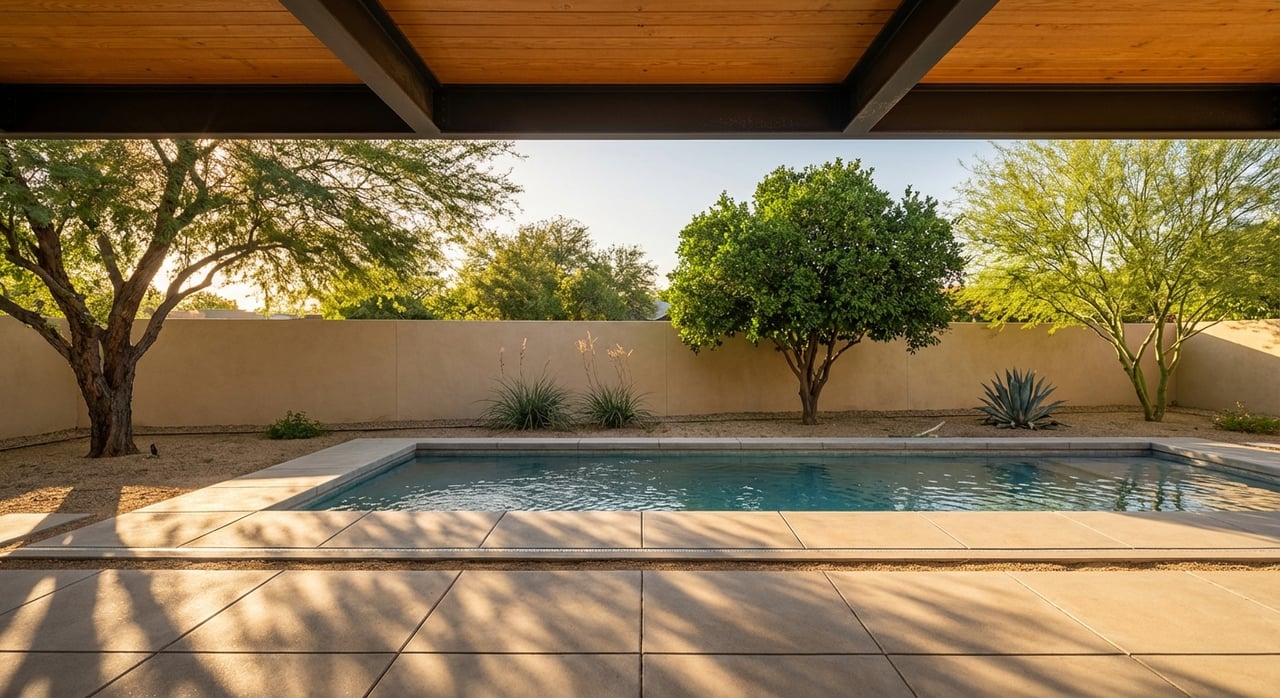
Private pools and spas add ongoing costs for chemicals, equipment service, and repairs. Over time, you may need to replaster or replace pumps and heaters. Costs rise with age and complexity, so consider the system’s condition during inspections.
Electricity usage spikes in summer due to air conditioning. Gas, trash, and high‑speed internet add to monthly expenses. Solar can reduce electric bills, but confirm if panels are owned or leased and review any associated agreements.
Insurance premiums depend on replacement cost and local risks. Review quotes early, and confirm whether flood insurance is needed based on FEMA maps and county flood resources. Club memberships do not cover your private residence, so plan for separate home policies.
Taxes are based on assessed valuations and your parcel’s taxing jurisdictions. Some neighborhoods include special districts that change your annual bill. Watch for reassessment after a sale, which can raise taxes compared to the seller’s current amount.
Irrigation upgrades, bunker renovations, drainage work, or clubhouse projects can trigger special assessments by the HOA or the club. Review recent history, the reserve study, and any planned capital projects to understand the likelihood of future assessments.
Underfunded reserves can lead to large, one‑time assessments. Ask for the reserve study and verify contribution levels against upcoming projects. Board minutes often reveal early discussions about big repairs or upgrades.
Values can be sensitive to course ownership and financial stability. Some communities own the course, while others rely on a club or third‑party operator. Understand contracts, solvency, and how changes in operation or any potential closure could affect your lifestyle and resale.
Rules for short‑term rentals vary by city and by HOA. Some communities allow them with registration, while others restrict or prohibit them. If rental income is part of your plan, confirm the city code and HOA covenants before you buy.
Some memberships transfer with the home, while others require repurchase or new initiation at resale. Transfer rules can affect buyer demand and closing timelines. Get the club’s membership agreement, refund policy, and waitlist details in writing.
High HOA dues or mandatory club fees can affect loan qualification ratios. Jumbo financing may apply at higher price points. Mortgage interest and real‑estate taxes may be deductible within federal limits, while personal club dues are typically not deductible. Consult a tax advisor for your situation.
Use this checklist to get a full picture of ownership costs and risks:
When two homes look similar, compare the all‑in monthly and annual costs.
Small differences in dues, water setup, or reserve strength can shift your total cost of ownership. This side‑by‑side method helps you see which home aligns with your budget and lifestyle.
Buying in a golf community is about more than a great view. It is about understanding membership terms, HOA stability, water use, and long‑term maintenance. With the right guidance, you can enjoy the lifestyle while protecting your investment and your budget.
If you want a clear line‑by‑line picture of costs for your target communities, reach out to Lauren Inglese. You will get local insight, document review support, and a strategy that fits the way you plan to live.
Stay up to date on the latest real estate trends.